

La Paloma's drivers are background-checked, trained and uniformed — arriving quickly to care for your loved one with empathy, dignity and respect.

Thinking of sharing a loved one's ashes? La Paloma explains who decides, travel rules, how to divide cremains safely and meaningful keepsake options.
Not sure what to say after a loss? La Paloma shares simple, heartfelt ways to offer condolences, practical help to give, and the phrases best left unsaid.

Writing a eulogy can feel daunting. La Paloma shares how to gather memories, write in your own voice, structure your tribute and deliver it at your own pace.
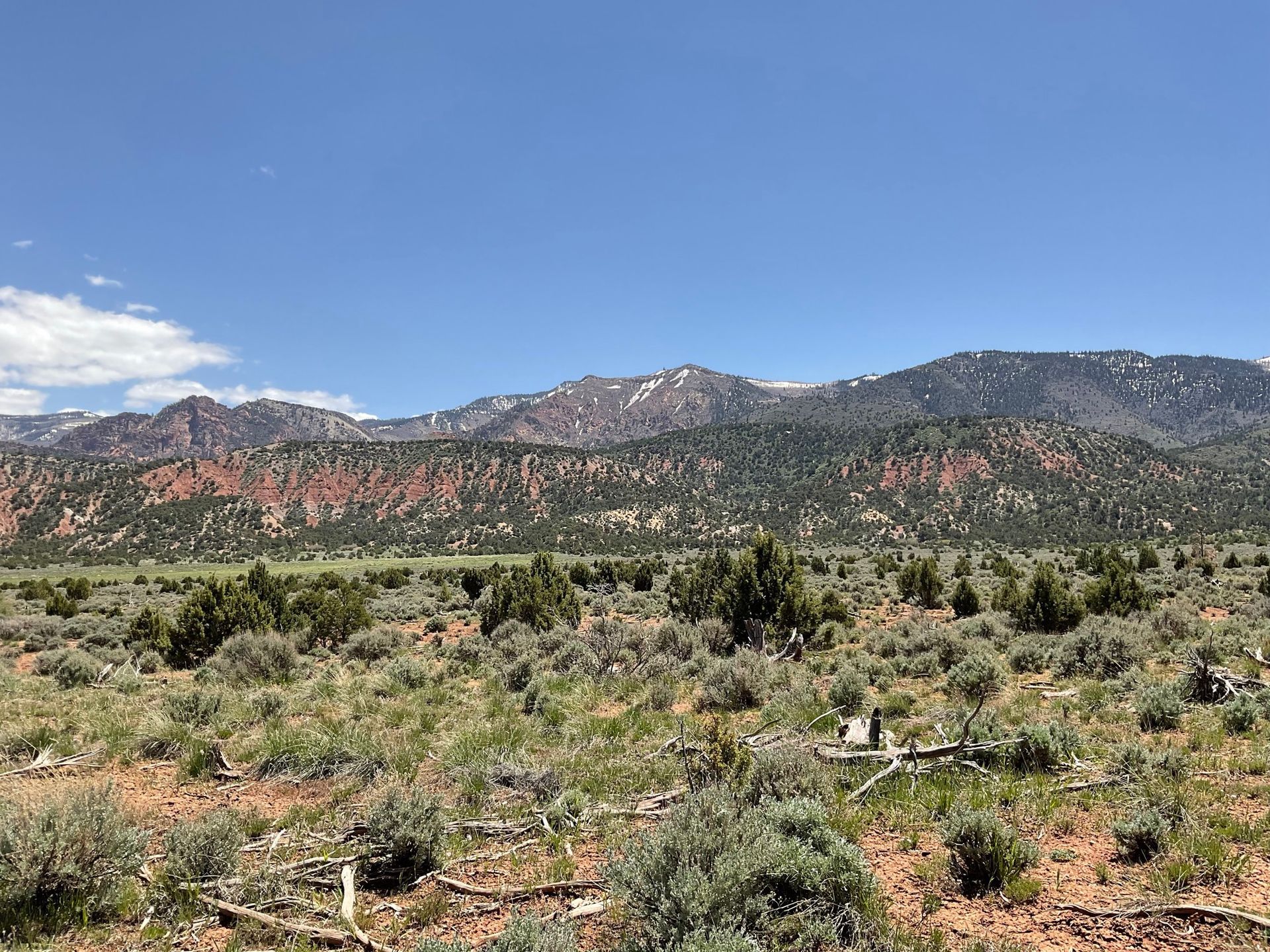
Scattering ashes is a beautiful ritual. La Paloma explains Nevada law, Lake Mead and national park rules, burials at sea, memorial forests and private land.

Helping a loved one prepare for the end of life takes emotional strength and practical planning. La Paloma shares how to support their needs, wishes and final affairs.
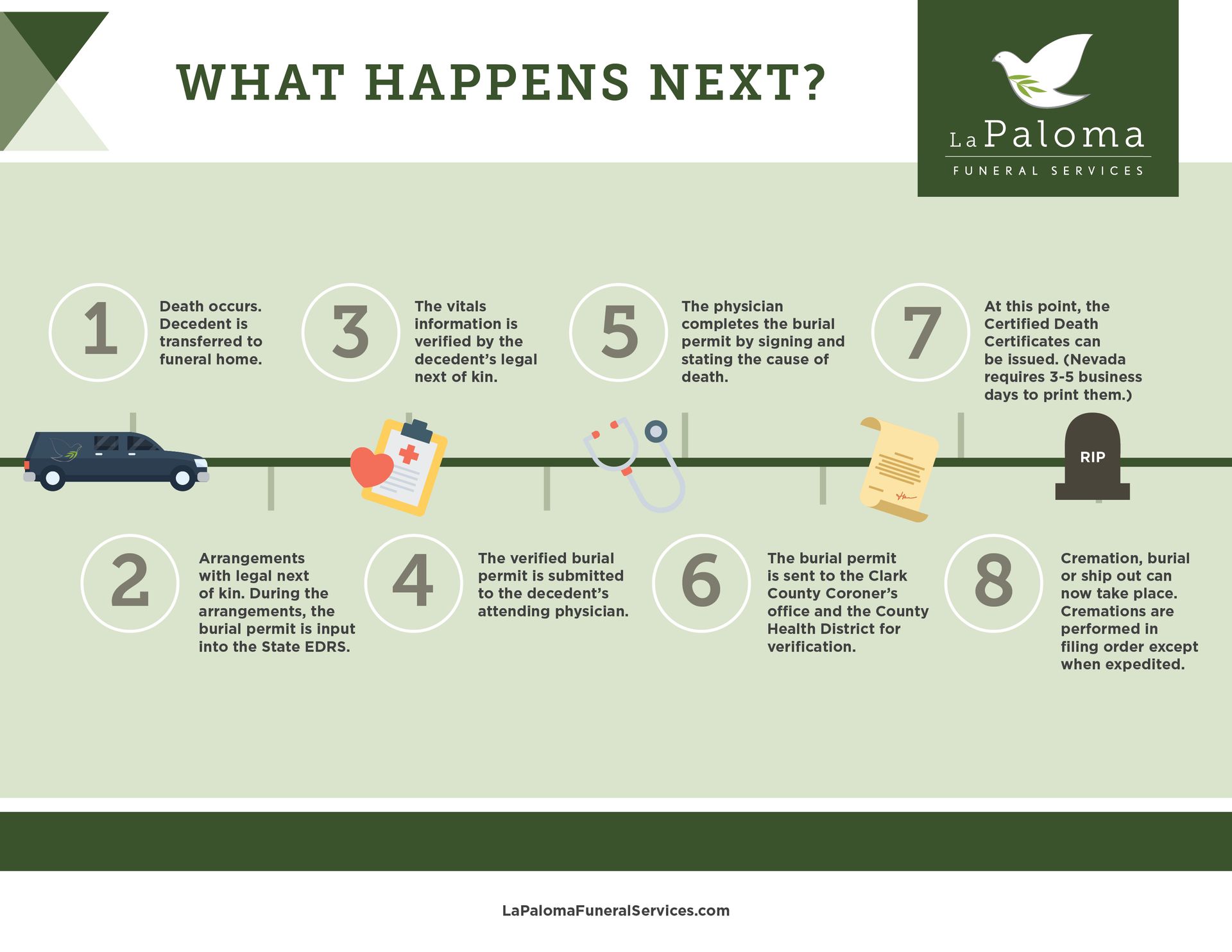
After a person has passed away, there are several medical, legal and logistical steps leading up to burial or cremation. If you are next of kin, or part of the family going through this loss, it helps to know what comes immediately after a death. "Next of kin" is a term for closest living blood relatives or legally recognized family members. Legally, the list of people who take priority as next of kin (in descending order) are: spouse/registered domestic partner, children, grandchildren, parents, siblings, nieces/nephews and grandparents, and then aunts/uncles and cousins. First, after death has been confirmed by the hospital, hospice or other authorities, your loved one will be transferred from their place of death to a funeral home. Next, the funeral home confers with the legal next of kin to obtain required personal details. The funeral director will input the burial permit into the state's Electronic Death Registry System, or EDRS, a secure platform that allows all parties involved to more efficiently file, process and track death records. The vitals information (medical proof of death) is then verified by the next of kin, and the verified burial permit is submitted via EDRS to the decedent's attending physicians, who complete the burial permit by signing and stating the cause of death. Once verified and signed, the burial permit is sent to the Clark County Coroner's office and the County Health District for verification. These entities record the information, then authorize issue of a certified death certificate. Nevada requires three to five business days to print official copies of certificates. Your funeral director can give you guidance on how many copies to order. Over the coming weeks and months, you will need official copies of the death certificate to send to life insurance companies, banks, probate court, pension providers, creditors or other administrative entities. Once death certificates are available, burial, cremation or shipping can take place. If your loved one wished to be returned to their home country, La Paloma can arrange for shipping (repatriation) anywhere in the world. We have extensive experience helping families transport decedents to Latin American countries. La Paloma works with all cemeteries in Southern Nevada, and if your loved one served our country in the U.S. Armed Forces we can help arrange burial in the Southern Nevada Veterans Memorial Cemetery in Boulder City. Cremations are performed in order of filing, except when expedited, and La Paloma can assist with information on how to follow local and federal rules when scattering ashes. For families who want their loved one's ashes scattered in a place of natural beauty but do not have a specific location in mind or are unable to travel, La Paloma has access to private land in a picturesque part of Southern Utah for this purpose.
Founders Ryan Bowen and Christopher Blackburn hired their first employee when they opened La Paloma Funeral Services in June 2006. Six months later, they hired a second employee. At a party earlier this month, they celebrated La Paloma’s 20th anniversary with 39 team members and two locations in the Las Vegas Valley. Ryan and Chris came to the funeral industry after discussing possible business ventures on a camping trip. Demographics were a driving factor in determining which services would be in demand, and they could see that funeral services was one of the areas that might not be prepared as Baby Boomers aged. They wanted to be able to help their community deal with that looming pressure point. Ryan eventually took over all operating responsibilities for La Paloma while Chris continued his career as a firefighter. Upon retiring, Chris moved to Northern Utah. Ryan raised his four children in Las Vegas and now enjoys spending time with five grandchildren as well. “In the very beginning, I quickly learned that I knew nothing about the funeral industry,” Ryan admitted. “And I also learned that some competitors would help a colleague and some won’t.” He was grateful for the help and guidance he got from a few mentors in the early days. In the two decades that followed, Ryan has tried to be the kind of business owner who helps newcomers and fosters cooperation and good relationships with others in the field. The tight-knit group of people who work at La Paloma, and how long many of them have stayed, speak to that effort. It officially became a family business when Ryan’s daughter, Emilee Leavitt, joined the team ten years ago — she now serves as the Director of Administration. Ryan’s son Ben Bowen is also on the La Paloma team in a manager development program. Ryan said that being able to work with his kids is one of the highlights of his career. They share the same driving mission that brought him to this industry when he was a young father. Helping families in the critical moments after losing a loved one is an important role in the community, and it’s a duty they don’t take lightly. Over the years, La Paloma has increased its services available to families, offering custom funeral planning for all religions and cultures, transportation, memorial keepsakes, online obituaries and pre-planning. The original location at 5450 Stephanie Street in Henderson was joined in 2021 by a second location in Southern Nevada, at 2551 S. Fort Apache Road, to support residents in the Summerlin area. The newest offering from La Paloma is the aftercare plan, which helps families navigate the notifications, paperwork and fraud protection steps necessary following a loss. “Saying ‘the funeral business’ is a bit of a misnomer,” Ryan said. “This field is really better described as family care, because that’s what we’re doing.” Every direction La Paloma has moved in has been determined by whether it would help offer families the transparency, simplicity and care they need during their grieving process. Over the next 20 years, Ryan simply hopes La Paloma will continue to expand and keep to its core mission of caring for families who need help navigating the loss of a loved one.

Dealing with the death of someone close to you is one of the hardest things most of us will go through. We know your grief, and your responsibilities, won’t end after the funeral service. Support shouldn’t either. La Paloma Funeral Services is committed to guiding families through funeral arrangements, and now that care and guidance extends beyond the service, thanks to La Paloma Aftercare. La Paloma Aftercare helps families navigate the many essential tasks that follow a loss. Estate specialists assist with claiming benefits, making necessary notifications and protecting against fraud — so families can focus on healing instead of paperwork. Losing a loved one comes with an overwhelming list of responsibilities. Settling an estate can take 12 to 18 months, and families are put through additional stress as they worry about missing something important. La Paloma Aftercare provides expert support to walk you through matters like: Securing death certificates Navigating life insurance Applying for Social Security Understanding pensions Claiming investments Notifying employers Notifying creditors These are just the basics. La Paloma Aftercare can also help you claim assets your loved one may not have even known about. In the U.S. alone, $70 billion sits in state-managed, unclaimed property funds. After a death, unclaimed property is frequently overlooked because families aren’t aware it exists. These funds can include forgotten accounts, refunds or other assets that were never claimed or updated over time. La Paloma Aftercare is included in all La Paloma Funeral Services packages at no additional cost. And yes, if you used another funeral service provider locally or overseas, you can still sign up for La Paloma Aftercare for a nominal fee. For more information, visit https://lapalomafuneralservices.com/resources/aftercare .