

Talking about end-of-life wishes is a gift to your family. La Paloma shares when to start the conversation, what to cover first and how to make it easier.
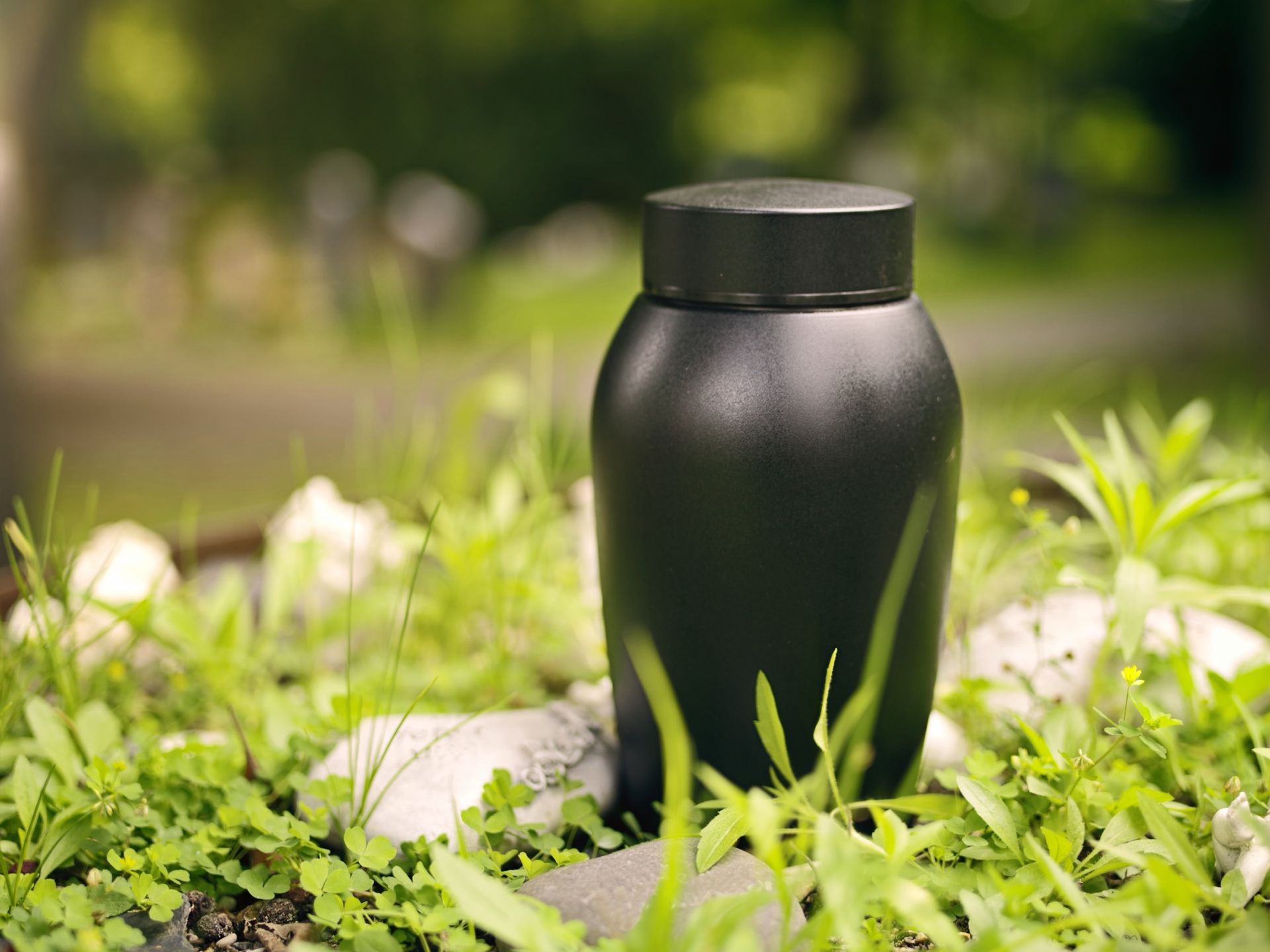
Size, purpose and personal style all shape the right urn. La Paloma explains urn capacities, display, columbarium, scattering and biodegradable options.
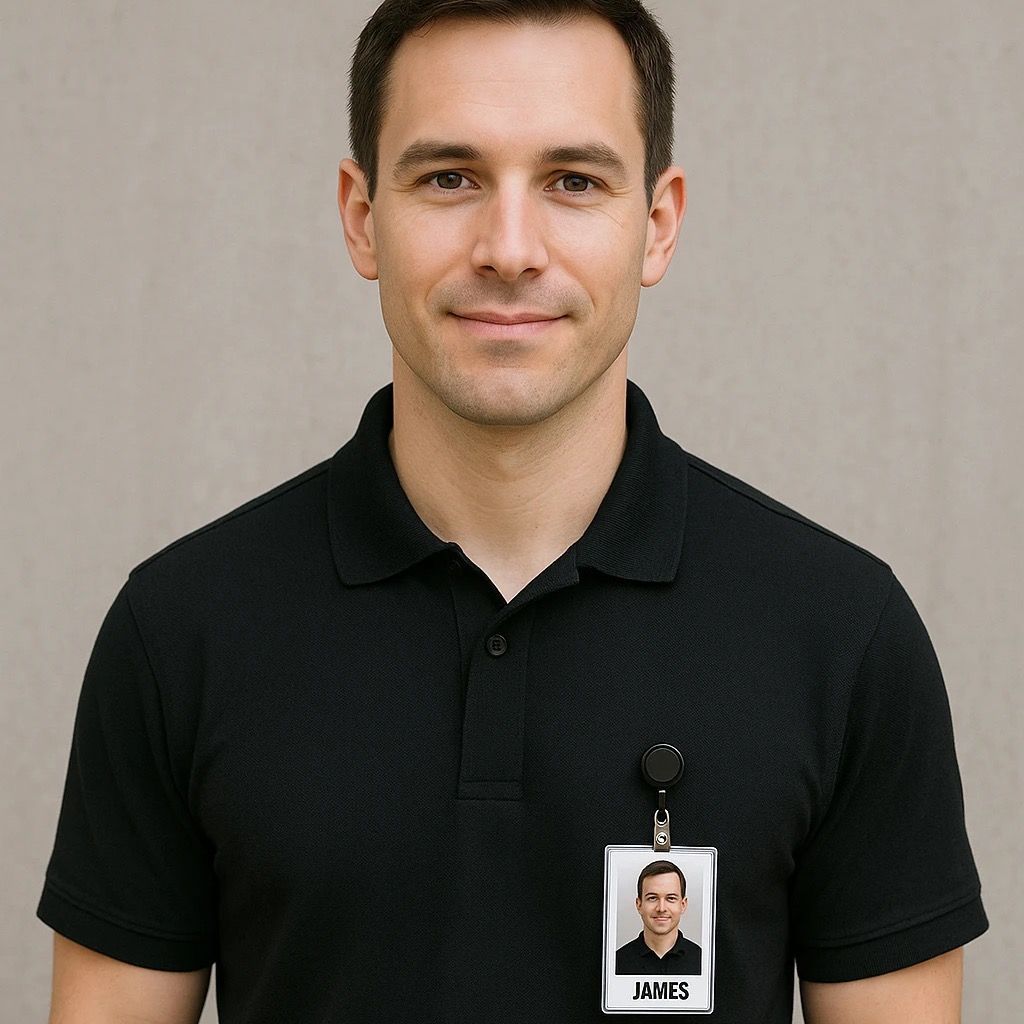
La Paloma's drivers are background-checked, trained and uniformed — arriving quickly to care for your loved one with empathy, dignity and respect.

Thinking of sharing a loved one's ashes? La Paloma explains who decides, travel rules, how to divide cremains safely and meaningful keepsake options.
Not sure what to say after a loss? La Paloma shares simple, heartfelt ways to offer condolences, practical help to give, and the phrases best left unsaid.

Writing a eulogy can feel daunting. La Paloma shares how to gather memories, write in your own voice, structure your tribute and deliver it at your own pace.
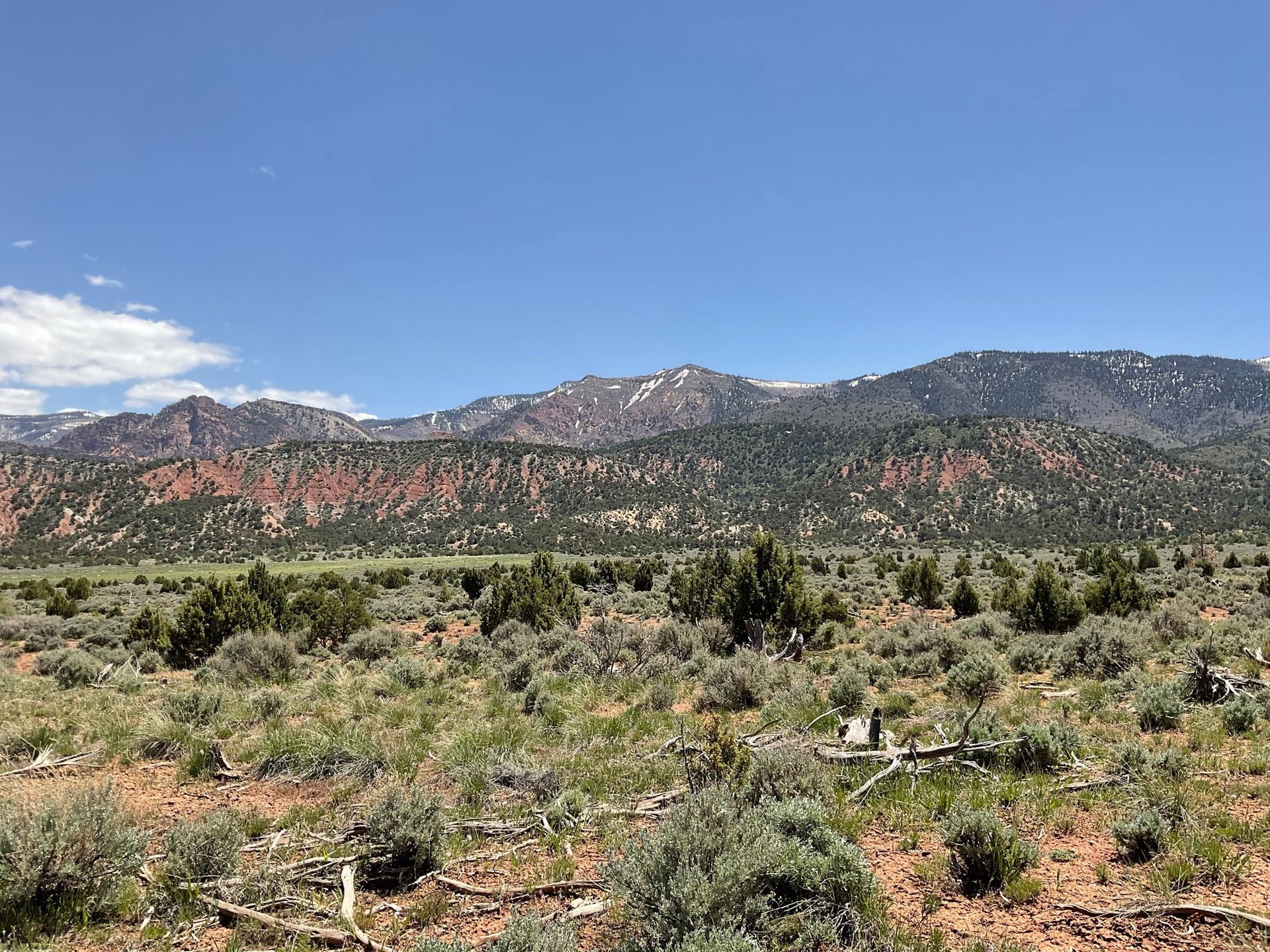
Scattering ashes is a beautiful ritual. La Paloma explains Nevada law, Lake Mead and national park rules, burials at sea, memorial forests and private land.

Losing a child is a profound grief. La Paloma shares gentle, practical ways to begin to heal — leaning on loved ones, counseling, tributes and preserving memories.
Helping a loved one prepare for the end of life takes emotional strength and practical planning. La Paloma shares how to support their needs, wishes and final affairs.
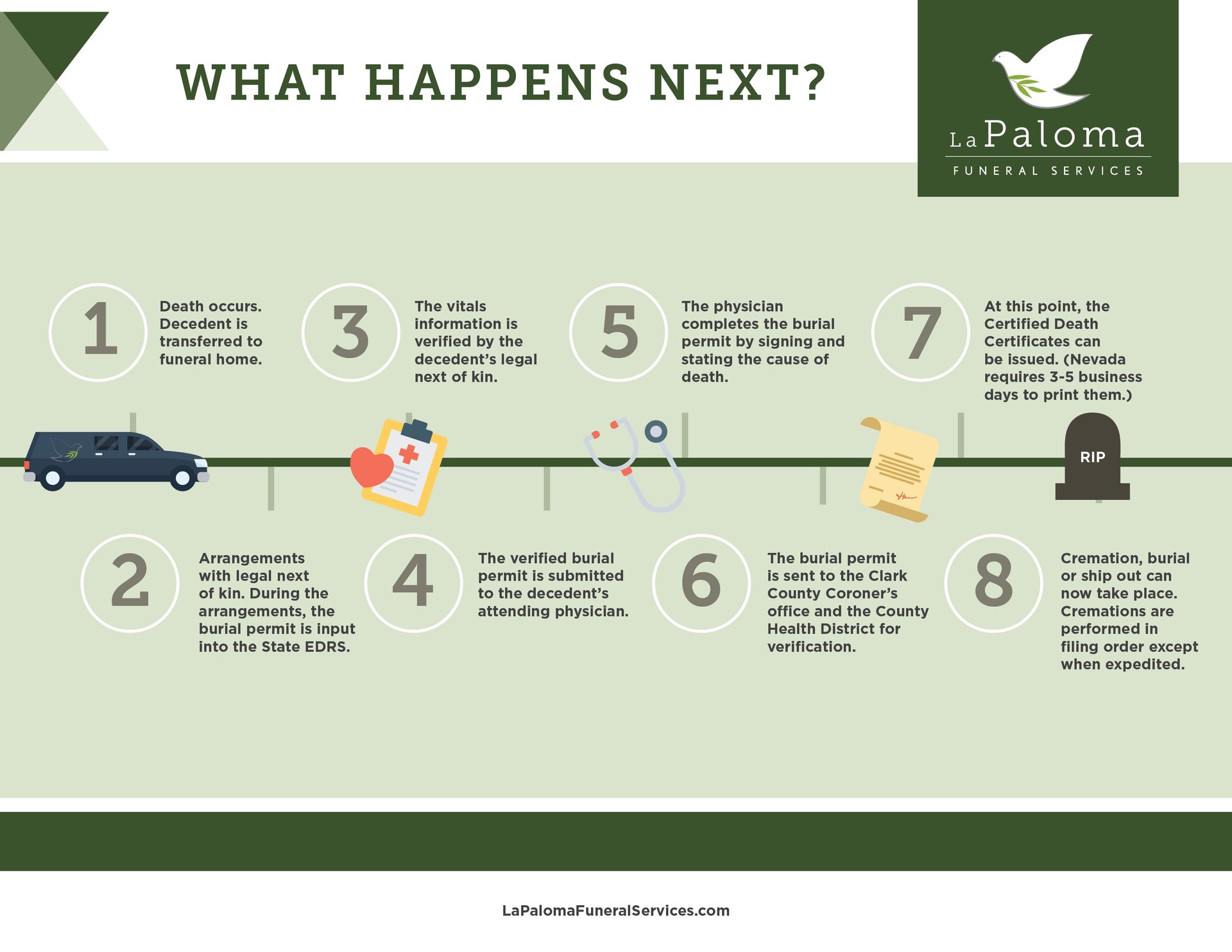
After a person has passed away, there are several medical, legal and logistical steps leading up to burial or cremation. If you are next of kin, or part of the family going through this loss, it helps to know what comes immediately after a death. "Next of kin" is a term for closest living blood relatives or legally recognized family members. Legally, the list of people who take priority as next of kin (in descending order) are: spouse/registered domestic partner, children, grandchildren, parents, siblings, nieces/nephews and grandparents, and then aunts/uncles and cousins. First, after death has been confirmed by the hospital, hospice or other authorities, your loved one will be transferred from their place of death to a funeral home. Next, the funeral home confers with the legal next of kin to obtain required personal details. The funeral director will input the burial permit into the state's Electronic Death Registry System, or EDRS, a secure platform that allows all parties involved to more efficiently file, process and track death records. The vitals information (medical proof of death) is then verified by the next of kin, and the verified burial permit is submitted via EDRS to the decedent's attending physicians, who complete the burial permit by signing and stating the cause of death. Once verified and signed, the burial permit is sent to the Clark County Coroner's office and the County Health District for verification. These entities record the information, then authorize issue of a certified death certificate. Nevada requires three to five business days to print official copies of certificates. Your funeral director can give you guidance on how many copies to order. Over the coming weeks and months, you will need official copies of the death certificate to send to life insurance companies, banks, probate court, pension providers, creditors or other administrative entities. Once death certificates are available, burial, cremation or shipping can take place. If your loved one wished to be returned to their home country, La Paloma can arrange for shipping (repatriation) anywhere in the world. We have extensive experience helping families transport decedents to Latin American countries. La Paloma works with all cemeteries in Southern Nevada, and if your loved one served our country in the U.S. Armed Forces we can help arrange burial in the Southern Nevada Veterans Memorial Cemetery in Boulder City. Cremations are performed in order of filing, except when expedited, and La Paloma can assist with information on how to follow local and federal rules when scattering ashes. For families who want their loved one's ashes scattered in a place of natural beauty but do not have a specific location in mind or are unable to travel, La Paloma has access to private land in a picturesque part of Southern Utah for this purpose.